NEWS
Ending the foster care system is a process.
Ending foster care means not just the closing of foster homes but prioritizing the building of critical systems of support for families and communities.

Ending foster care means not just the closing of foster homes but prioritizing the building of critical systems of support for families and communities.
They said we were misguided to use the word “abolition” in our work. We wrote a response.
Stolen Children’s Month calls for the abolition of all systems that steal children and separate families.
Survivors have been clear about what they need to build safety for themselves and their kids: housing, childcare, mental health care, financial stability, community support, and people who will listen without judgment.

As the media weaves a narrative about evil doctors kidnapping children: the real harms caused by the child welfare system go unnoticed.
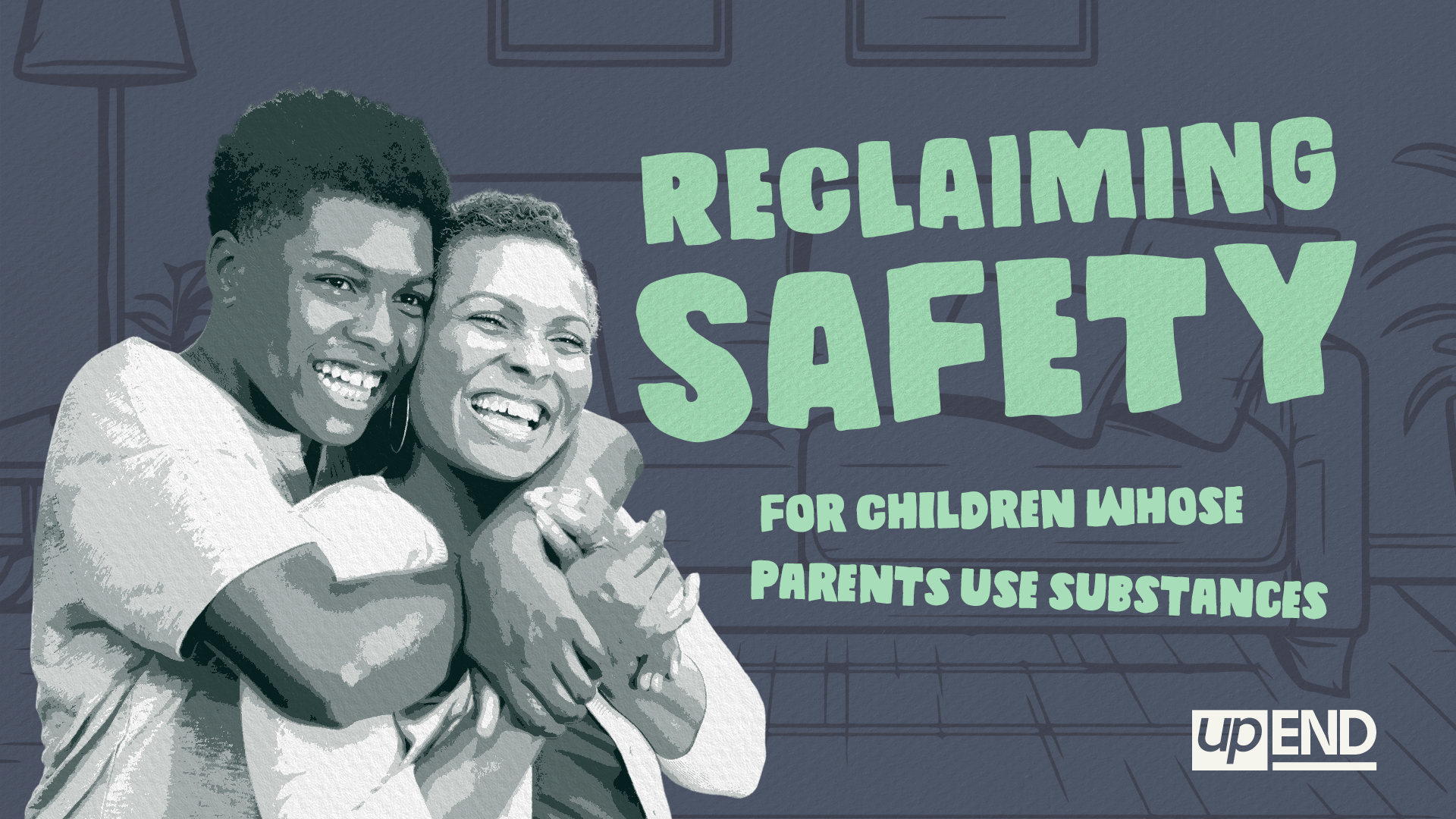
The authors challenge the family policing system’s assumptions that parental drug use automatically equals harm to a child. They propose concrete steps that hold families together and meet material needs.
The criminalization of immigration must end.
Alan Dettlaff didn’t use the word abolition until 2018 — the year he invited Angela Davis to speak to his…

These cases highlight the intersections of family policing, the criminal legal system, and the inherent violence of mandated reporting.
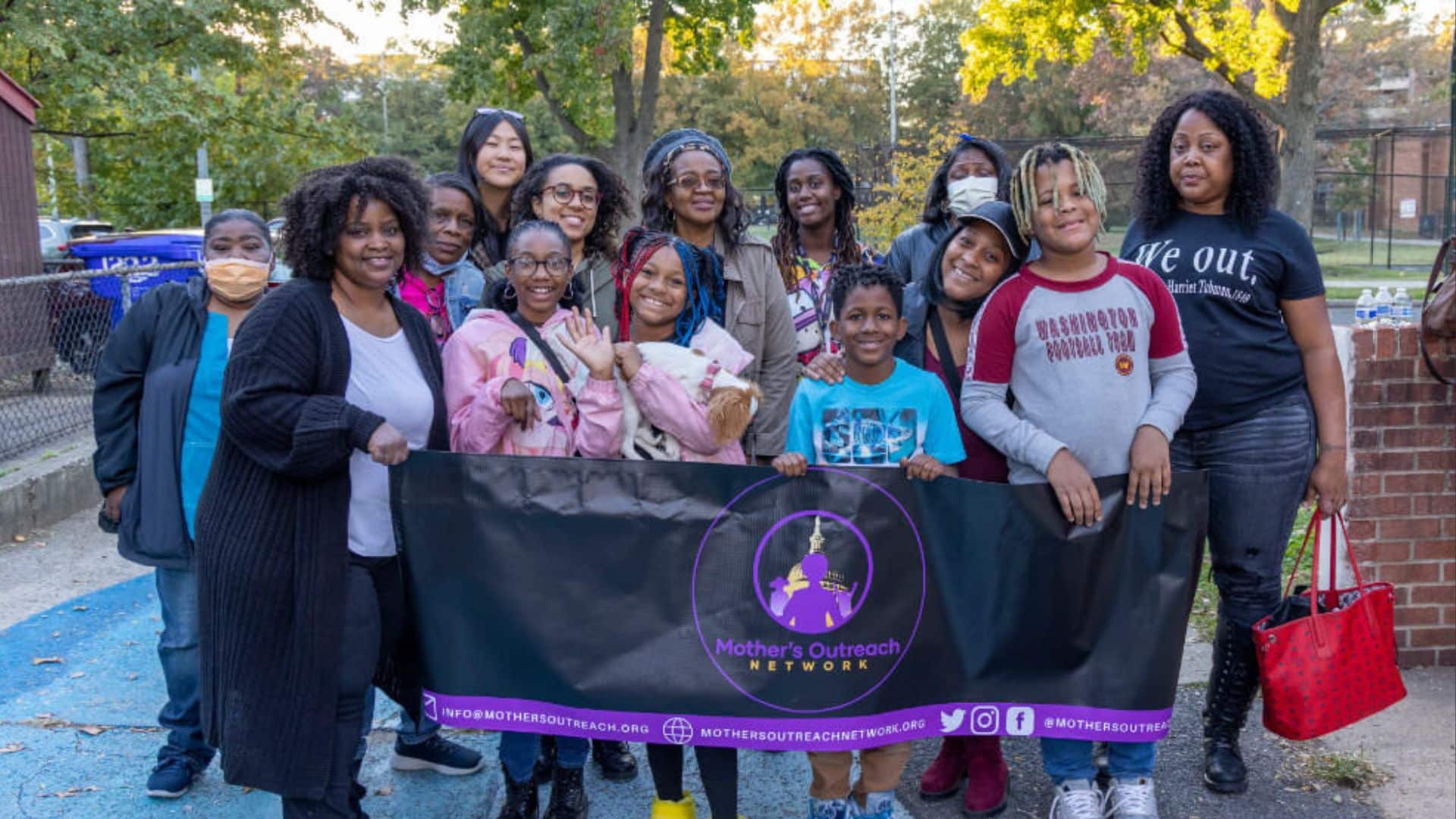
By ensuring families have direct, unconditional financial support, this initiative helps prevent unnecessary state intervention.